

Thank you for Subscribing to Med Tech Business Review Weekly Brief


 Kevin Badin, Founder and Director
 Caution in medical-device compliance can quietly harden into bureaucracy. Another procedure is added. Responsibilities are restated, explanations accumulate and documents are reviewed simply because the system has always operated that way. Eventually, the quality system meant to support the business becomes a second operation that the business must support.
ORA innovations starts from the opposite premise.
“The quality management system must serve the company, not otherwise,” says Kevin Badin, founder and director.
ORA innovations takes a different view of what good regulatory work should accomplish. The goal is not to produce the most documentation, but to understand the device, its risk classification and what its intended market demands. Kevin has seen companies maintain 45 to 50 standard operating procedures. By comparison, he says ORA has generally not needed more than roughly 18 to 20 SOPs in the quality systems it has helped implement.
 The smaller number does not mean lighter compliance. It reflects sharper judgment about what is required, what is useful and what merely consumes attention. ORA innovations helps clients distinguish legal obligations from the standards that support them, identify the provisions that genuinely apply and translate those requirements into processes employees can follow in daily work.
More than 30 years of experience spanning manufacturing, quality and regulatory affairs, including 23 years under ORA innovations, gives the consultancy the perspective to make those distinctions.
ORA team puts that experience into practice by mapping the path from proof of concept through design, prototyping, manufacturing, market entry and post-market obligations. A startup may need help establishing an ISO 13485-aligned quality management system and navigating its first regulatory clearance. An established manufacturer may need auditing, training, documentation review or improvements to an existing framework. ORA has worked with organizations ranging from two- to five-person teams to companies with 2,000 to 3,000 employees.
Bring Regulation into Development Earlier
Kevin encourages development teams to understand the essential requirements for a device before significant resources go into design and prototyping. Regulatory requirements identified early can inform development team while decisions are still practical to change, reducing the risk of costly rework after a technically viable product has already been developed.
-
The quality measurement system must serve the company, not otherwise.
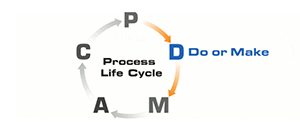
His PDMAC model—Plan, Do, Measure, Analyze and Correct—extends the same thinking into continuous improvement. ORA’s team monitors regulatory updates, alerts and device-related developments, passing relevant information to clients that may be affected. A device problem identified in one market can have implications for similar products elsewhere.
Training and continuous education help clients translate those developments into their processes, documentation and day-today decisions.
Simplify Without Diluting Control
In two client engagements, ORA’s team found procedures filled with repeated definitions, responsibilities and explanations. Instead of showing employees how to perform the work, documents carried material that could be consolidated elsewhere.
ORA team recommended removing repetition and keeping procedures focused on execution. Badin applies similar reasoning to routine document reviews. He challenges the automatic review and restamping of documents every year when no regulatory requirement, audit finding or process change calls for revision. The objective is not to control less. It is to meet applicable requirements without consuming time and resources on documentation that adds little to the process.
Handing Over the Torch
ORA innovations describes the client relationship through the image of carrying a torch together. The consultancy helps illuminate the path through quality-system implementation and regulatory preparation. Once clients can move forward independently, ORA hands over the torch while remaining available for training and ongoing support, which is why MedTech Business Review APAC recognizes it as Top Medical Devices Consultancy Services for Quality & Regulatory Affairs in APAC 2026.
Building Regulatory Clarity into Medical Device Development
A medical device can be technically ready yet still be stalled because the path to clearance depends on where it will be sold and how it is classified. Australia, the US, Europe and Canada do not impose identical routes, and requirements shift across other markets. For executives choosing quality and regulatory consulting, the real question is not whether a consultancy knows the rules. It is whether it can translate applicable requirements into a practical route without importing unnecessary obligations from another jurisdiction or risk class.
Classification is where that judgment starts. A low-risk device and an implantable device can face different evidence and conformity requirements, while market entry may involve a CE mark or FDA clearance, with other national processes depending on location. A useful consultancy should connect device class to the legal requirements that apply, and then distinguish those obligations from voluntary standards that support compliance. That separation can prevent design teams from discovering late that a product was developed without enough attention to its intended market before design choices become expensive to revisit later.
The quality management system is another point where poor advice can create work rather than control it. ISO 13485 may sit at the center of a medical device quality system, but documentation should fit the company's processes and stage of development. Excessive standard operating procedures, repeated definitions, duplicated responsibility statements and routine review stamps can turn document maintenance into its own workload. Buyers should look for advisors who simplify the system without weakening required controls and can explain why a document exists before adding it.
“ORA innovations begins by mapping company processes so documentation reflects how the device is developed and controlled rather than expanding into unnecessary procedure volume.”
Company maturity changes the assignment. An established manufacturer may already have a certified system and need targeted auditing, training, document review or quality-system improvement. A startup may require more help understanding the route from proof of concept through design development, prototyping and eventual market entry. Consulting depth should flex around existing systems, internal expertise, device class and the work still needed for clearance. A fixed package is less useful than support that starts by mapping how the business develops and controls the device.
Regulatory support also loses value if it stops once the initial system is built. Authorities update requirements, issue alerts, publish information on device problems and maintain complaint databases that can affect related products elsewhere. Medical device teams need a way to keep relevant changes connected to design decisions and quality documents rather than treating regulatory review as periodic paperwork. Training matters because internal teams eventually carry the system forward and need to recognize which changes warrant action.
ORA innovations fits this buying logic through a consulting model centered on quality management systems and regulatory affairs. It supports medical device companies with ISO 13485 implementation, audits, training and documentation review, while also helping them interpret market-specific requirements for CE marking, FDA clearance, TGA registration and other country-specific submissions. ORA innovations begins by mapping company processes so documentation reflects how the device is developed and controlled rather than expanding into unnecessary procedure volume. It also adjusts involvement to the client's size and existing quality maturity. For executives that need regulatory guidance tied closely to process design and practical documentation, ORA innovations merits serious consideration for medical device quality and regulatory consulting.
...Read more
