


Thank you for Subscribing to Med Tech Business Review Weekly Brief

Mount Sinai Health System
Gilbert Tang, Surgical Director, Structural Heart Program
Trends Impacting the MedTech Space
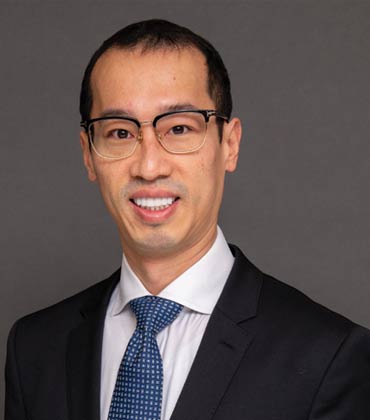
Gilbert Tang
Gilbert Tang is a medical professional with a specialization in cardiovascular surgery. As the Surgical Director of the Structural Heart Program at Mount Sinai Health System, he is responsible for leading and overseeing surgical procedures related to structural heart conditions. This includes complex surgeries such as valve repair or replacement, as well as procedures for congenital heart defects and other structural abnormalities.
What are some of the challenges or leading trends that are impacting the MedTech space today? Some of the challenges and leading trends impacting the MedTech space today include significant advances in structural heart disease treatment, with a focus on transcatheter therapies like Transcatheter Aortic Valve Replacement (TAVR). However, there is a clinical need to address the low penetration of TAVR among certain populations, such as racial and ethnic minorities and those in remote areas. Efforts are being made to educate and build trust in these communities to ensure equal access to life-saving treatments. Researchers are also exploring the use of TAVR in patients with moderate aortic stenosis and heart failure symptoms, in addition to severe cases. Early research suggests that untreated aortic stenosis in these patients may increase mortality. However, challenges such as the durability of the valve and lifelong treatment for younger patients who undergo TAVR remain areas of study. In the mitral valve area, edge-to-edge repair methods using devices like Edwards Pascal and MitraClip have shown promising results for treating degenerative mitral regurgitation. Ongoing clinical trials are comparing the effectiveness and outcomes of surgical mitral repair versus transcatheter devices like MitraClip, especially in lower-risk patients. Additionally, research into transcatheter mitral valve replacement devices continues, despite challenges related to patient enrollment and anatomical criteria. Similar advancements are observed in the tricuspid valve sector, with edge-to-edge repair tools like TriClip and Edwards Pascal showing promise. While recent studies didn't find significant differences in mortality or heart failure hospitalization, patients reported subjective relief from symptoms. The use of advanced imaging tools, particularly 3D intracardiac echo (ICE), has made tricuspid valve procedures safer and more widely available. Another notable trend is the focus on left atrial appendage occlusion, which offers the potential to eliminate the need for lifetime anticoagulation. Several medical devices from companies like Boston Scientific and Abbott are undergoing clinical studies for this purpose. Intracardiac echo (ICE) procedures have simplified the process, allowing treatment without general anesthesia and enabling quicker recovery. The MedTech space is witnessing significant progress in the treatment of structural heart diseases, particularly in aortic, mitral, tricuspid, and left atrial appendage occlusion. These advancements promise to improve the management of these disorders, provide access to less invasive therapies, and ultimately enhance patient outcomes. What would be your piece of advice for budding professionals in the field? The most important piece of advice I could offer is to maintain an open mind. The usability of medical devices should be prioritized alongside safety and effectiveness. The ultimate objective is to ensure that both experts and those with limited knowledge can use these devices and conduct procedures with equally excellent outcomes. So, when designing devices and performing structural heart or cardiovascular procedures, it is essential to incorporate this design principle. This will provide a competitive advantage over alternative options and lead to improved patient outcomes. By embracing openness and focusing on usability, we can nurture innovations that benefit both medical professionals and the patients they serve.The articles from these contributors are based on their personal expertise and viewpoints, and do not necessarily reflect the opinions of their employers or affiliated organizations.
