

Thank you for Subscribing to Med Tech Business Review Weekly Brief

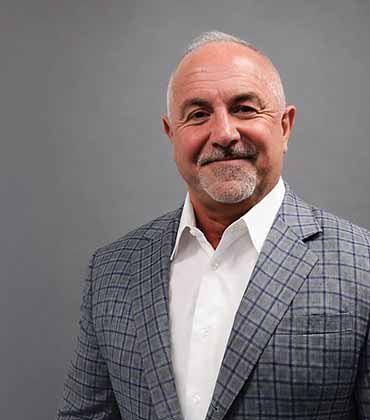 John Cosgriff, Founder and President of Business Operations
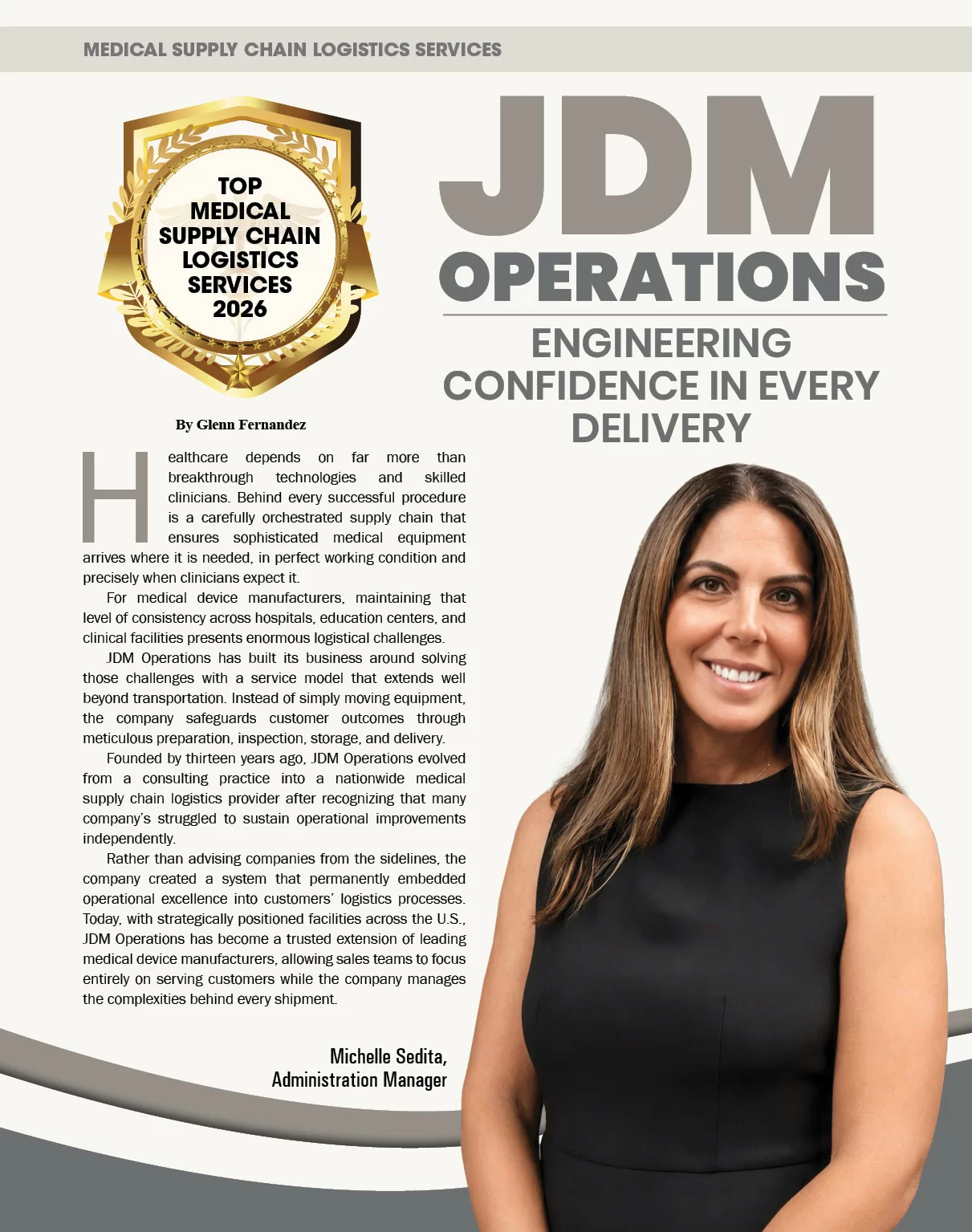
Healthcare depends on far more than breakthrough technologies and skilled clinicians. Behind every successful procedure is a carefully orchestrated supply chain that ensures sophisticated medical equipment arrives where it is needed, in perfect working condition and precisely when clinicians expect it.
For medical device manufacturers, maintaining that level of consistency across hospitals, education centers, and clinical facilities presents enormous logistical challenges.
JDM Operations has built its business around solving those challenges with a service model that extends well beyond transportation. Instead of simply moving equipment, the company safeguards customer outcomes through meticulous preparation, inspection, storage, and delivery.
Founded by thirteen years ago, JDM Operations evolved from a consulting practice into a nationwide medical supply chain logistics provider after recognizing that many company’s struggled to sustain operational improvements independently.
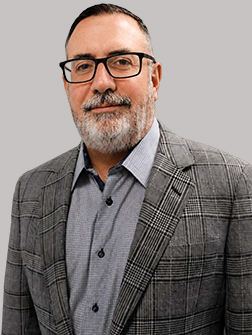 Michael Sheehan, Vice President of Quality
At the helm has been John Cosgriff, Founder and President of Business Operations at JDM. He has dedicated decades to supply chain management and vehicle fleet operations. Sixteen years ago, he founded JDM as a consulting firm, helping corporations nationwide optimize logistics, equipment management, and operational efficiency. His expertise has consistently focused on driving sales through streamlined operations and logistics while supporting positive patient outcomes.
As JDM's reputation grew, organizations began seeking the company's expertise to develop and manage physical supply chain locations across the country. This demand led John to join forces with Sheehan, creating a collaboration that combines one of the nation's leading operations experts with one of the country's foremost medical education professionals. Building an organization that delivers comprehensive operational and educational solutions to healthcare clients.
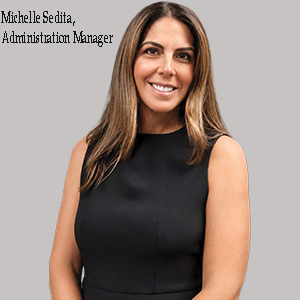
To support the company's continued growth, Michelle Sedita joined JDM to oversee all administrative operations, ensuring efficient day-to-day management and providing the organizational foundation needed to support the company's expanding services.
Building a Different Kind of Logistics Company
JDM Operations distinguishes itself through a white-glove service philosophy designed specifically for the medical device industry. Unlike conventional logistics providers that focus primarily on transporting products from one location to another, the company manages every stage of the equipment lifecycle before and after each delivery.
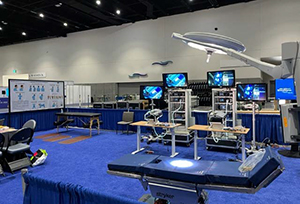
 Its nationwide network stores inventory, performs comprehensive inbound and outbound inspections, manages medical education equipment, supports clinical trials, and coordinates hospital deliveries from strategically located facilities. Every location operates as both a distribution center and a quality assurance hub, ensuring that equipment leaving the warehouse is ready for immediate use.
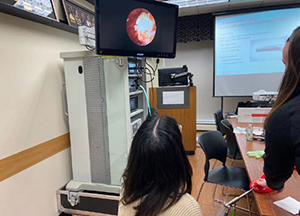
Each shipment undergoes extensive inspection procedures that verify every component functions exactly as intended. Cameras, light cables, monitors, and associated systems are tested under conditions that closely resemble actual operating environments. By recreating real-world clinical settings before equipment leaves the warehouse, the company minimizes unexpected issues once products reach hospitals.
The company also designed proprietary shipping crates that protect sensitive medical equipment throughout transportation. Since many sophisticated devices were never engineered for repeated shipping, conventional packaging often exposes them to unnecessary risk. JDM Operations addressed this challenge by engineering customized transport solutions that preserve equipment integrity from departure to final installation.
Creating Confidence at Every Delivery
The company's approach reflects an understanding that logistics in healthcare extends beyond timely transportation. Medical equipment must arrive clean, complete, functional, and immediately ready for use.
Its logistics specialists do far more than unload deliveries. Upon arrival, they assemble equipment, install monitors, connect essential components, power systems, and verify functionality before handing everything over to hospital personnel or sales representatives. This comprehensive handoff eliminates uncertainty while reducing preparation time for healthcare providers.
 such attention to detail has transformed customer experiences. One major endoscopy manufacturer previously struggled with equipment damage during transportation, affecting nearly half of its deliveries. After implementing JDM Operations' specialized transportation methods and inspection protocols, damage rates declined dramatically, allowing equipment to consistently arrive in pristine condition.
This operational reliability directly supports medical device companies whose reputations depend upon flawless product demonstrations, physician training programs, and clinical procedures.
Strategic Growth Guided by Healthcare Demand
Expansion at JDM Operations follows careful analysis rather than rapid geographic growth. Instead of selecting locations based solely on population or commercial opportunity, the company studies healthcare activity patterns alongside customer demand.
Its facilities have been established near major healthcare markets including New York, Chicago, Tampa, Austin, Las Vegas, and Denver, allowing most deliveries to remain within efficient service distances. Operating around the clock from approximately 10,000-square-foot facilities, the network provides both responsiveness and consistency across multiple regions.
As customer activity continues expanding, the company is preparing additional locations to strengthen national coverage while maintaining the same operational standards that have defined its reputation. Planned expansion into the Pacific Northwest reflects this disciplined strategy of positioning resources where customers need them most rather than pursuing growth for its own sake.
Quality as a Company’s Discipline
For JDM Operations, quality is not limited to final inspections. It represents an Company’s discipline embedded throughout every process.
The company maintains a comprehensive quality management system that integrates customer-specific requirements, regulatory expectations, inspection procedures, and continuously updated work instructions. A dedicated compliance professional oversees documentation and incorporates evolving manufacturer requirements into standardized operational processes.
Quality isn't simply about checking boxes. Every inspection, every upgrade, and every delivery contributes to patient readiness because the equipment must perform exactly as intended when clinicians receive it.
This structured framework enables employees across every facility to follow consistent procedures regardless of customer or location. Rather than relying on individual experience alone, the company institutionalizes knowledge through documented systems that evolve alongside changing regulatory expectations.
Leading these initiatives is vice president of quality Michael Sheehan, whose background combines medical education, operational leadership, quality management, and humanitarian healthcare experience. His diverse perspective enables the company to understand not only operational requirements but also the clinical realities surrounding medical equipment.
“Quality isn't simply about checking boxes,” says Sheehan. “Every inspection, every upgrade, and every delivery contributes to patient readiness because the equipment must perform exactly as intended when clinicians receive it.”
His leadership extends beyond documentation. Sheehan personally trains employees throughout the nationwide network, ensuring every location applies identical standards while developing technical expertise that rivals many manufacturer representatives.
“Our people understand these systems because they work with them every day,” he explains. “Consistent training creates confidence, and that confidence translates directly into better customer experiences.”
Empowering Customers through Operational Partnership
The company's greatest value often lies in what customers no longer have to manage themselves.
Before partnering with JDM Operations, many medical device sales representatives divided their attention between selling products and coordinating logistics. Equipment frequently occupied garages, temporary storage spaces, or personal vehicles while representatives attempted to balance transportation, demonstrations, and customer relationships.
JDM Operations removes that operational burden entirely. Inventory remains professionally managed within secure facilities. Equipment receives routine inspections and software updates before every shipment. Logistics specialists coordinate transportation, setup, retrieval, and ongoing support, allowing sales professionals to concentrate exclusively on serving physicians and healthcare companies.
This partnership model creates measurable business advantages. Internal customer feedback consistently demonstrates exceptionally high satisfaction, with improvements reflected not only in equipment quality but also in the productivity of customer sales companies.
People Who Drive Sustainable Excellence
While systems and technology support operational consistency, leadership remains central to the company's continued success.
Alongside Sheehan, administration manager Michelle Sedita provides operational coordination that enables the company to scale efficiently while maintaining close customer relationships. Her responsibilities encompass administrative leadership, financial oversight, communication, customer support, and operational management, making her an essential connector across multiple business functions.
-
Strong operations depend on clear communication. When every department understands the customer's priorities, decisions become faster, coordination improves, and service naturally becomes more reliable.
“Strong operations depend on clear communication,” Sedita says. “When every department understands the customer's priorities, decisions become faster, coordination improves, and service naturally becomes more reliable.”
Her ability to integrate administrative discipline with customer responsiveness strengthens both internal efficiency and external relationships.
“Growth only becomes meaningful when it is organized,” Sedita adds. “Creating dependable processes allows our teams to deliver consistent experiences regardless of location or customer.”
Together, the leadership team has cultivated remarkable workforce stability. Employees across regional hubs remain with the company for years, steadily developing specialized expertise in complex medical equipment, troubleshooting, software updates, inspections, and customer support.
That continuity translates into operational confidence for customers, who know experienced professionals are managing valuable equipment throughout every stage of its journey.
Preparing for the Next Chapter
JDM Operations continues investing in larger facilities, expanded capacity, and broader geographic reach in anticipation of increasing demand from medical device manufacturers seeking dependable operational partners.
 Its vision remains rooted in the same philosophy that inspired the company's transition from consulting into nationwide logistics: sustainable operational excellence cannot rely solely on recommendations. It requires disciplined execution, accountable people, standardized systems, and an unwavering commitment to customer success.
As healthcare technologies become increasingly sophisticated, expectations surrounding quality, compliance, and responsiveness will only continue rising. JDM Operations appears well positioned to meet those demands by combining operational precision with customer-focused service that extends far beyond transportation.
Rather than viewing logistics as the movement of equipment, the company treats every shipment as part of a larger healthcare mission. Every inspection, every carefully engineered crate, every trained technician, and every successful delivery contributes to a supply chain that enables clinicians to focus on patients with confidence. In an industry where reliability influences outcomes, JDM Operations has demonstrated that operational excellence is not merely a competitive advantage. It is an essential component of modern healthcare delivery.
Medical Supply Chain Logistics Built For Clinical Readiness
Medical supply chain logistics has become a direct extension of clinical readiness. For executives responsible for medical device fleets, field equipment, hospital trial support or medical education programs, the issue is no longer whether a provider can move assets from one point to another. The real test is whether equipment arrives traceable and ready after inspection. A delayed or damaged shipment can disrupt a lab session, reduce sales force productivity or put clinical teams in a difficult position before the work even begins.
The gold standard in this space depends on control before dispatch and discipline after return. Medical devices and training systems often travel despite being designed for stable environments, which makes ordinary freight handling a poor fit. The provider must understand how equipment is staged, checked, protected and released for use. Inventory accuracy matters because leaders need to know where each asset is, what condition it is in and whether it can be assigned to the next event. Inspection cannot be a back-office formality. It must be built into the movement cycle, so each asset is reviewed on arrival and again before departure, then treated as clinical equipment rather than general cargo.
“It operates six U.S. locations, supports 24/7 service and maintains dedicated space for medical inventory management. Its model combines serialnumber tracking, inbound and outbound inspections, trained hub agents and customized shipping crates built for sensitive medical equipment.”
Geographic reach also has to be judged by practical response, not map coverage. A logistics partner that places facilities near hospital clusters can shorten travel windows and reduce avoidable handling. That proximity matters most when equipment supports procedures, trials, sales demonstrations or medical education programs that depend on fixed schedules. Round-the-clock availability adds value only when it is paired with trained personnel who understand the product, not simply drivers who can arrive after hours. Clinical and education support also requires setup knowledge at the point of handoff, because value is measured by readiness in the room rather than movement on a delivery record. Executives should look for a model that reduces the burden on sales teams while preserving accountability for every asset movement.
The strongest providers also treat logistics as a commercial enablement function. In many medical device organizations, sales representatives lose time storing equipment, coordinating shipments, troubleshooting damage or managing returns. A mature service model removes those tasks from the field without separating logistics from the customer outcome. It protects equipment, helps preserve schedule confidence and gives sales teams more time to focus on the account. That balance between control and field support is what separates a transactional carrier from a true medical supply chain partner.
JDM Operations stands out as a premier choice for executives that need medical supply chain logistics tied to asset readiness. It operates six U.S. locations, supports 24/7 service and maintains dedicated space for medical inventory management. Its model combines serial-number tracking, inbound and outbound inspections, trained hub agents and customized shipping crates built for sensitive medical equipment. The company’s white-glove handling, two-person transport approach, specialized crate use and medical education support fit organizations that need equipment delivered ready for clinical, lab, trial or training use. For buyers prioritizing fewer damaged assets and less field-team distraction, JDM Operations offers a disciplined, practical fit.
...Read more
Medical Supply Chain Logistics Services Info
Q1
What Are Medical Supply Chain Logistics Services?
Medical Supply Chain Logistics Services cover the controlled movement, storage, inspection, preparation, delivery, installation and retrieval of medical equipment. The work extends beyond transportation. It helps ensure equipment reaches hospitals and clinical facilities complete, functional, protected and ready for use. Effective logistics can reduce avoidable handling issues, improve delivery consistency and give medical device manufacturers greater control over equipment throughout its journey.
Q2
How Does JDM Operations Apply These Services?
JDM Operations brings storage, inspection, equipment preparation, transportation, installation and retrieval into one operating model. Medical Supply Chain Logistics Services are built into that workflow from storage through final delivery. Its U.S. network uses facilities as distribution centers and quality assurance hubs. Equipment is inspected before shipment, while cameras, light cables, monitors and related systems are tested in conditions designed to resemble clinical environments. This equipment inspection helps identify issues before a shipment leaves the facility. The approach also treats medical equipment logistics as part of quality control rather than as transportation alone. Proprietary shipping crates are used to protect sensitive equipment during transportation.
Q3
Why Is Equipment Readiness Important?
Medical Supply Chain Logistics Services must account for the fact that equipment may be needed immediately after delivery. A shipment that arrives on time but requires extensive setup or contains a damaged component can still disrupt a demonstration, training session or clinical activity. Inspection, assembly, installation, functional checks and a clear handoff help reduce uncertainty at the point of use. These steps support a smoother transition from medical equipment delivery to actual use.
Q4
What Should Buyers Evaluate When Selecting Medical Supply Chain Logistics Services?
Buyers should look closely at how a provider controls quality across storage, handling, transportation, delivery and post-arrival support. Medical Supply Chain Logistics Services should include clear checks at each stage rather than relying on the final delivery alone. A documented quality management system, standardized work instructions, customer-specific requirements and ongoing employee training can help maintain consistency across locations. Providers should also show how they protect specialized equipment and adapt processes as manufacturer requirements and regulatory expectations change. A consistent equipment inspection process is especially useful when the medical device supply chain involves several handoffs. Clear communication matters when equipment moves through several stages.
Q5
How Does JDM Operations Reduce the Workload on Medical Device Teams?
Medical Supply Chain Logistics Services can take activities off the hands of medical device sales representatives, including inventory management, equipment checks, software updates, transportation, setup, retrieval and ongoing support. JDM Operations keeps equipment professionally stored at strategically positioned facilities rather than in garages, temporary spaces or personal vehicles. That arrangement allows sales professionals to focus on customer relationships while the logistics work continues behind each shipment.
Q6
How Can Medical Supply Chain Logistics Services Support National Coverage?
National coverage depends on more than adding locations. Providers need facilities positioned around customer demand while maintaining consistent operating standards. JDM Operations has facilities near major healthcare markets such as New York, Chicago, Tampa, Austin, Las Vegas and Denver, with additional expansion planned for the Pacific Northwest. Its facilities operate around the clock and provide distribution, inspection, storage and delivery support across multiple regions. Medical Supply Chain Logistics Services also help keep deliveries within efficient service distances while preserving consistent processes across regions.
Company : JDM Operations
ManagementJohn Cosgriff, Founder and President of Business Operations
Michael Sheehan, Vice President of Quality